
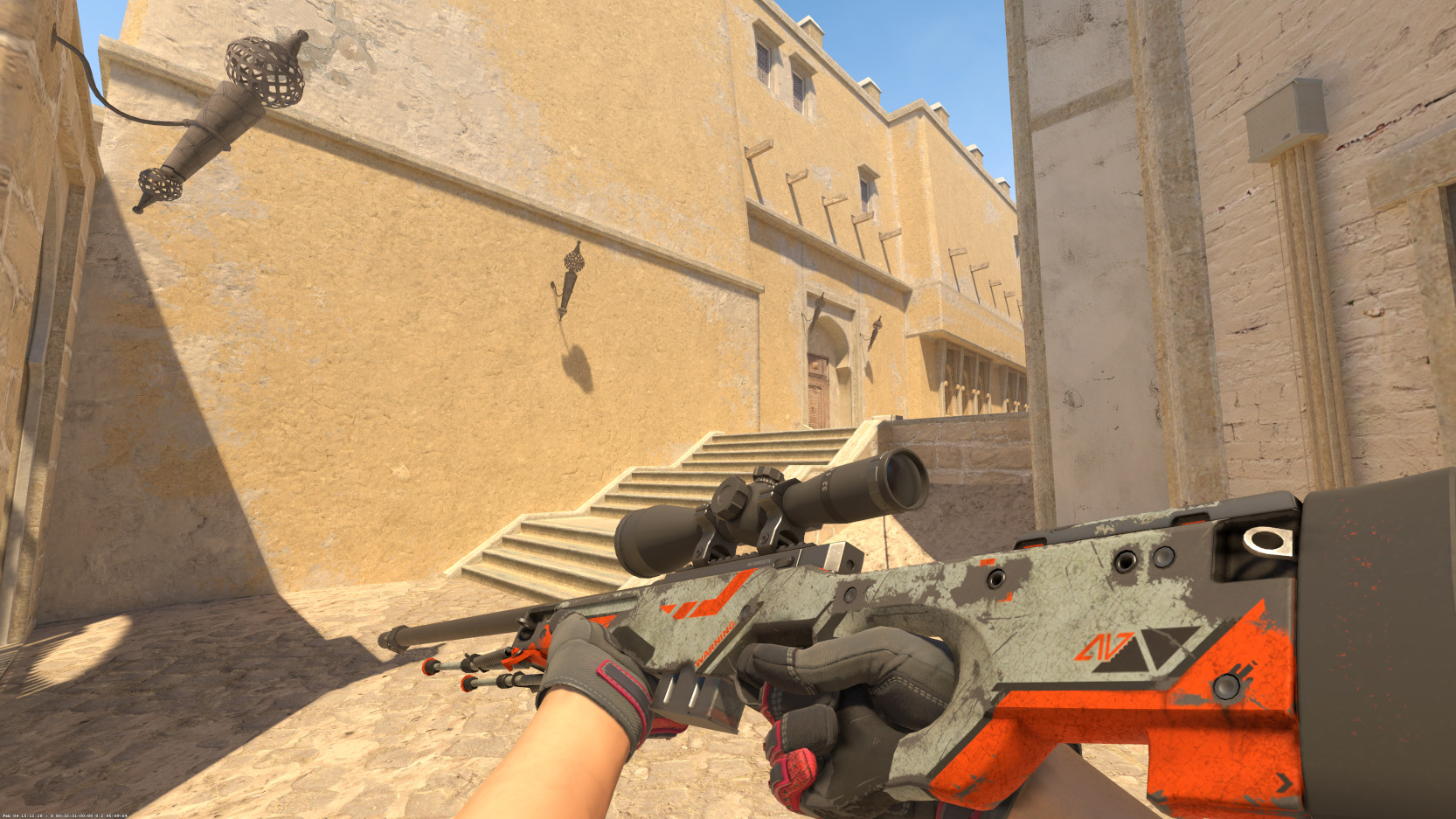
Every skin in CS2 has a float value, and if you’re buying, selling, or trading skins, understanding floats is non-negotiable. It’s the difference between overpaying for a beat-up AWP Asiimov and snagging a clean one at a fair price.
Your skin’s float value is a number between 0 and 1 that determines how worn it looks. Lower float = cleaner skin. Higher float = more scratches, wear, and visible damage. Simple enough on the surface, but there’s more going on under the hood than most people realize.
What Is a Float Value, Exactly?
Every skin you unbox, get as a drop, or receive from a trade-up has a float value assigned to it. This number is permanent. It never changes. You can’t improve it by using the skin, and it won’t degrade over time. Whatever float your skin spawns with, that’s what it has forever.
The float value directly controls the wear texture applied to your skin’s 3D model. A float of 0.001 means the skin is virtually pristine. A float of 0.999 means it looks like it’s been dragged across every surface on Dust 2 for a decade.
The Five Wear Tiers
Float values map to five wear categories:
| Wear | Float Range |
|---|---|
| Factory New (FN) | 0.00 – 0.07 |
| Minimal Wear (MW) | 0.07 – 0.15 |
| Field-Tested (FT) | 0.15 – 0.38 |
| Well-Worn (WW) | 0.38 – 0.45 |
| Battle-Scarred (BS) | 0.45 – 1.00 |
Here’s the thing most newer players miss: these tiers are just labels. Two skins can both be “Field-Tested” but look completely different. A 0.15 FT is going to look way cleaner than a 0.37 FT. The label tells you the general range, but the actual float is what matters.
Not Every Skin Can Roll Every Float
This trips people up all the time. Each skin has its own minimum and maximum float range, and not all skins can exist in every wear tier.
The AWP Asiimov, for example, can only drop between 0.18 and 1.00. That means there’s no Factory New Asiimov. There never will be. The lowest it can go is Field-Tested. So when you see a 0.18 FT Asiimov, that’s basically the cleanest one possible, and it gets priced accordingly.
On the flip side, some skins can only be Factory New or Minimal Wear. The M4A1-S Icarus Fell sits in a range of about 0.00 to 0.10, so it’s easier to find one in FN rather than MW.
Why Low Floats Cost More
This is where float values start directly hitting your wallet. Within any wear tier, lower float skins are more desirable and more expensive. A 0.000x Factory New skin (often called a “triple zero” or “low float”) can cost a lot more than 0.06 FN of the same skin
The reason is scarcity combined with aesthetics. Fewer skins spawn at the extreme ends of their float range, and collectors specifically seek out the cleanest possible versions. For popular skins and knives, the float becomes a huge part of the value.
There’s a whole subculture of float collectors who only care about ranking on CSFloat’s database. Owning the #1 lowest float of a skin is a flex, and people pay serious premiums for it.
High Floats Have Value Too
Here’s something that surprises newer traders: extremely high float Battle-Scarred skins can also carry a premium. A 0.99x BS skin is just as rare as a super low float, and some collectors specifically want the most destroyed-looking version of a skin they can find.
Certain skins actually look cool when they’re completely trashed. The AWP Asiimov in high-float BS is a perfect example. Once the float gets high enough, the scope goes almost completely black, earning it the nickname “Blackiimov.” These get specifically sought out and priced above regular BS Asiimovs.
How to Check Float Values
You’ve got a few options:
Steam itself shows the wear tier but not the exact float. For the actual number, you’ll want to inspect the skin in game. There you can see the exact float number and paint seed.
The CS2 in-game inspect link also contains float data, and various browser extensions, like CSFloat Market Checker can decode it for you automatically while you browse the market.
Float vs. Paint Seed
Quick note since these get confused a lot: float and paint seed are two different things. Float controls how worn the skin looks. Paint seed controls the placement and orientation of the pattern on the skin.
For most skins, paint seed doesn’t matter much. But for skins like the AK-47 Case Hardened, the paint seed determines whether you get a boring mostly-silver pattern or the famous #661 blue top / scar pattern that costs a fortune. Float and paint seed together define exactly how your skin looks.
Does Float Matter for Every Skin?
Honestly, not equally. Some skins barely change visually across their entire float range. Others show massive differences between low and high float versions.
Skins with large solid-color areas tend to show wear more obviously. Skins with busy patterns or dark color schemes can hide wear pretty well. If you’re buying a skin to actually use and you’re not a collector, sometimes a mid-range float at a lower price is the smarter play. You might not even notice the difference in-game.
The Bottom Line
Float values are one of those things that seem simple but go pretty deep once you start trading seriously. Knowing how they work helps you avoid overpaying, spot good deals, and understand why two skins with the same name can have wildly different prices.
If you’re just playing the game and want a cool skin, don’t stress too much about getting the absolute lowest float. But if you’re investing or trading, float knowledge is one of your best tools for making smart moves in the market.
